How the Kawasaki Vulcan S Beats the Competition for Under
You’ll discover how the Vulcan S stacks up against rival mid‑range cruisers in real‑world cost and ride quality. Most guidebooks skim the numbers and skip the long‑haul comfort test, leaving buyers blindsided.
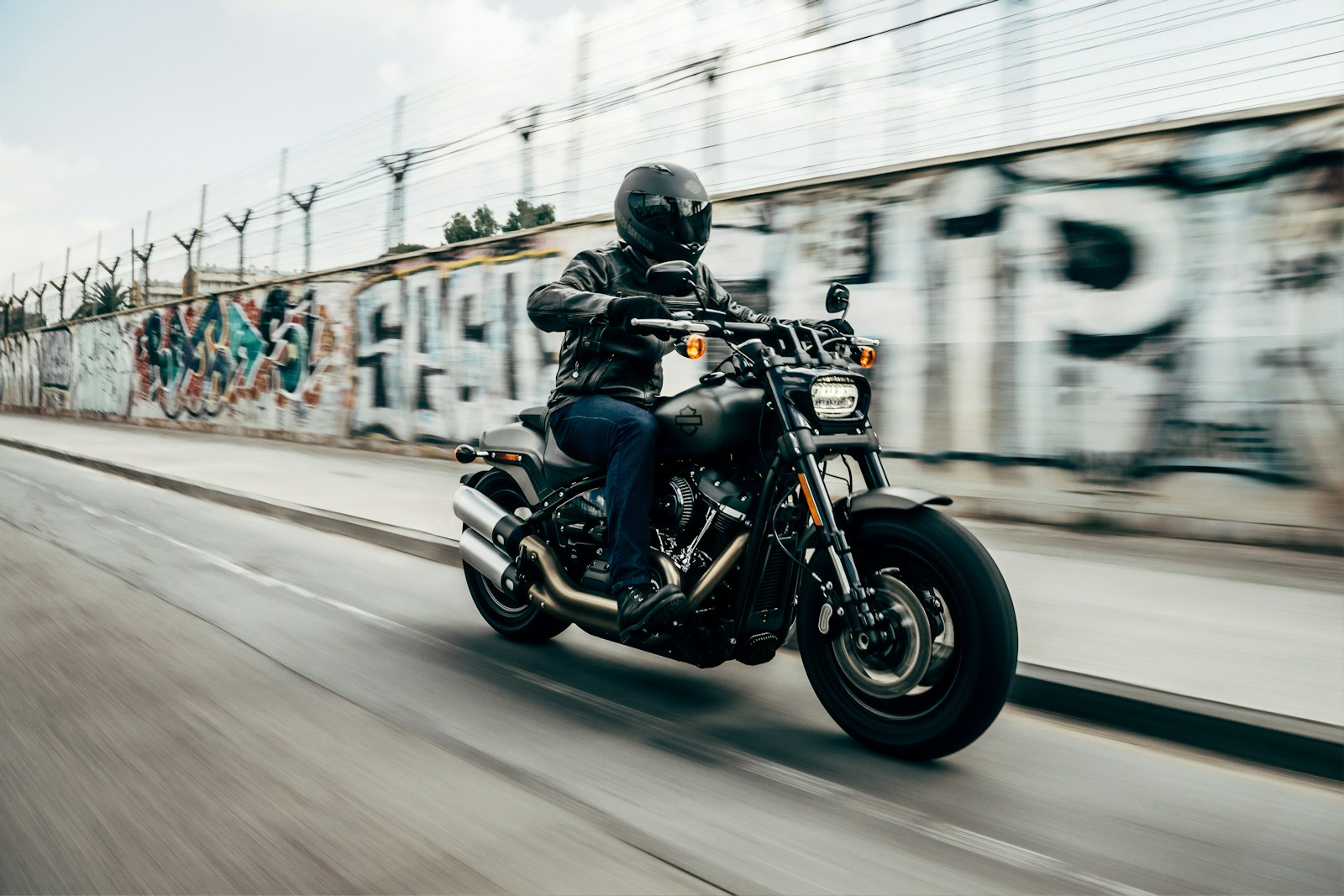
Money tightens the throat of every would‑be cruiser owner, especially when dealer stickers hover near the seven‑figure‑plus‑dollar mark after taxes. The Vulcan S lands somewhere between the budget‑friendly retros and the premium bobbers, promising a blend of power and polish without emptying the savings account. Yet the market is littered with bikes that look good on paper but bleed cash through hidden fees, maintenance surprises, and uncomfortable ergonomics.
When you compare the advertised base price of the Vulcan S with the entry‑level models from Harley‑Davidson and Indian, the gap can be as wide as a thousand dollars. Those rivals often require a premium for a larger displacement or a factory‑installed infotainment suite, while Kawasaki tucks a 649 cc parallel‑twin into a chassis that feels substantially heavier than its numbers suggest. Add‑on packages for ABS or a windscreen typically push the final figure into the $7,000–$7,500 range, still undercutting many competitors that start above $8,000.
Most first‑time buyers overlook depreciation, assuming a new cruiser will hold its value like a vintage collector’s item. In practice, the Vulcan S depreciates at a rate comparable to other mid‑size bikes, shedding roughly 15 % of its MSRP in the first three years, but its lower initial cost cushions the hit. Resale listings often show a gap of $1,200–$1,500 between a three‑year‑old Vulcan S and a comparable Harley, meaning the absolute loss can be smaller even if the percentage looks similar.
Riders who clock more than 300 miles on a weekend tend to judge a cruiser by the shape of its seat and the angle of the footpegs. The Vulcan S employs a single‑piece foam saddle that slopes gently forward, distributing weight across the hips rather than concentrating pressure under the tailbone. Adjustable rear‑set footpegs let taller riders stretch their legs without sacrificing the low‑slung cruiser silhouette, a flexibility rarely found on fixed‑position rivals.
The suspension package combines a 41‑mm fork with a rear mono‑shock tuned for a blend of firmness and compliance, absorbing potholes that would otherwise jolt a rigid frame. Riders report that a full day on the highway feels like a gentle glide rather than a rattling marathon, thanks to the progressive spring rates that adapt to varying loads. Even with a full tank and a passenger, the bike maintains a stable nose that doesn’t dive excessively under braking.
City commuters appreciate the low‑end torque that peaks around 46 Nm, allowing the Vulcan S to zip from stoplights without excessive clutch work. The relatively compact wheelbase—shorter than many heavyweight cruisers—makes lane changes and tight cornering feel manageable, a trait often sacrificed for straight‑line stability in larger twins. Despite the cruiser styling, the bike’s weight distribution stays near 52/48 front‑to‑rear, delivering a neutral feel that reduces the need for constant throttle adjustments in stop‑and‑go traffic.

Factory warranty coverage stretches three years or 12,000 miles, whichever comes first, and includes free annual inspections at authorized dealers. Those inspections typically cover oil level checks, brake fluid top‑offs, and tire pressure verification, keeping unexpected repair bills at bay during the early ownership period. Kawasaki also offers a roadside‑assistance add‑on for a modest annual fee, an option many competitors forget to mention in their promotional material.
Compared with the routine service costs of a 750‑cc Harley, the Vulcan S oil‑change interval sits at 6,000 miles, cutting fluid expenses roughly in half over a typical three‑year ownership span. Brake pad wear on the single‑disc front tends to last between 15,000 and 20,000 miles, a lifespan that outperforms many larger‑bore machines that demand replacement twice as often. Tire choices span from budget‑friendly street tires to premium touring compounds, letting owners balance grip and longevity without being forced into a single high‑price option.
That electronic suite includes a full‑color TFT display, selectable riding modes, and cruise control—all for about $500 extra over the base model. The display can toggle between speed, fuel range, and gear position, offering data that rivals often hide behind analog gauges or separate add‑ons. Cruise control, while a modest convenience on empty highways, also reduces fatigue on longer hauls, a feature that some budget cruisers lack entirely.
Still, the question remains whether those gadgets justify the premium when a rider values raw mechanical feel over digital bells and whistles. Some purists argue that the added weight of the electronics and the extra wiring complexity could introduce reliability concerns down the line. Others note that the optional ABS, when paired with the cruise control, creates a safety net that many entry‑level riders appreciate, especially in wet conditions.
Start by scanning dealer inventories online and noting which locations list the Vulcan S with the “no‑dealer‑add‑ons” flag. Those listings often reflect the true manufacturer’s price, allowing you to calculate a realistic out‑the‑door figure that includes tax, registration, and a modest dealer fee. Expect the base tax and registration bundle to fall somewhere between $500 and $900, depending on your state’s rates.
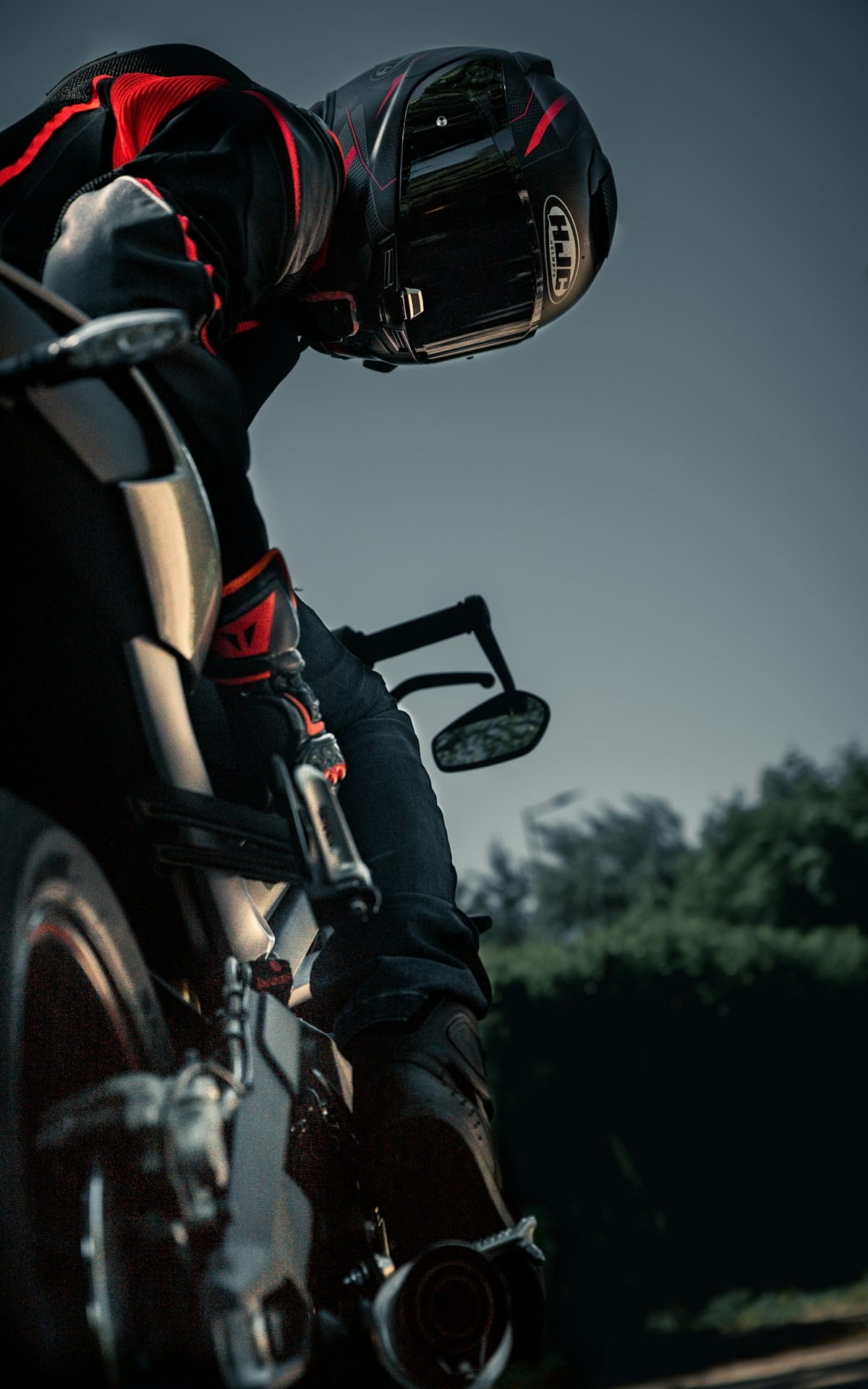
Consider budgeting for essential gear, insurance, and a set of upgraded tires before you step onto the showroom floor. Protective apparel can range from $300 for a basic helmet and jacket combo to $1,200 for premium, weather‑sealed ensembles, while insurance premiums for a mid‑size cruiser typically settle in the $150–$250 monthly bracket for a clean‑record rider. Adding a set of touring‑grade tires may cost $250–$350, a worthwhile investment if you plan frequent long rides.
Don’t overlook the test‑ride checklist; ask the dealer to demonstrate the cruise control, switch between riding modes, and engage the ABS on a wet surface if possible. Verify that the seat height matches your inseam, and feel how the footpegs align with your natural riding posture—small mismatches can become glaring discomforts after a few hundred miles. Take note of any dealer‑installed accessories such as custom exhausts or paint kits, as these can inflate the invoice without adding functional value.
Before you sign any paperwork, confirm the VIN matches the one listed on the official Kawasaki website and that the mileage reads zero or within the acceptable dealer‑prep range. Scrutinize the service booklet for any recorded maintenance, and ask for a copy of the original window sticker to compare advertised options with what’s actually on the bike. A clear, itemized breakdown of fees—dealer prep, documentation, and any optional accessories—should sit beside the agreed price.
Finally, verify the total out‑the‑door cost against your pre‑calculated budget, ensuring that hidden taxes, registration, and financing charges haven’t nudged the final amount beyond what you intended. Read each clause in the purchase agreement, paying particular attention to return policies and any early‑termination penalties tied to dealer‑financed loans. Only after the numbers line up and the bike feels right under you should you hand over the check.
Keep reading
30‑Mile Commute Test: 2025 Harley‑Davidson Street 750’s Comfort Score
Learn how the 2025 Street 750 performs on a real‑world daily ride and which compromises actually matter. Most reviews gloss over commuter‑specific pain points, leaving new owners with surprise expenses.