Scout vs. Bolt: Which Seat Saves Your Back After 50‑Mile Rides?
We compare the Indian Scout and Yamaha Bolt on the factor that kills most cruiser newbies – saddle fatigue. Most reviews glorify chrome and torque while ignoring how the seat actually feels after a day on the highway.
You can drop a half‑thousand dollars on a cruiser and still arrive at the diner with a compressed tailbone, because neither the Scout nor the Bolt was built with marathon‑rider ergonomics in mind. Dealership demos often focus on torque curves and paint finishes, leaving the real test – how long the bike stays comfortable – for the open road.
Does the Scout’s Seat Shape Actually Reduce Fatigue?
Indian engineers gave the Scout a saddle that leans forward by roughly five degrees, a geometry borrowed from classic bobbers. That angle pushes the rider’s hips into a more natural alignment, which many long‑haul riders report reduces pressure on the coccyx after 40‑plus miles. The factory‑installed foam is a high‑density blend that holds its shape in hot summer weather, avoiding the squishy feel that cheap mids often develop.
When you weigh a rider over six feet tall, the forward‑leaning platform can feel cramped because the footpegs sit close to the knee joint. Owners who add a custom seat pad often trade the original’s firm support for a softer surface that disappears after a few rides, negating the intended posture benefit. Additionally, the Scout’s single‑piece seat lacks the built‑in lumbar cavity some competitors provide, meaning lower‑back aches can creep in on city traffic stops.
Can the Bolt’s Rubber Mounting Keep Vibration at Bay?
Yamaha equipped the Bolt with a broader, flatter cushion that spreads rider weight over a larger area, a design choice that dampens point pressure. The bike also rides on dual rubber mounts beneath the seat frame, a feature that isolates engine vibration and prevents it from reverberating through the foam. For riders who dislike the Scout’s forward tilt, the Bolt’s more upright seating posture feels like sitting in a low‑profile chair, which can be a relief on stop‑and‑go traffic.
Those who favor a tighter connection to the bike may find the Bolt’s extra padding too forgiving, as the plush material can compress after a half‑hour of highway cruising. The larger surface also means the rider’s legs have to stretch slightly farther to reach the footpegs, a reach that can become uncomfortable for shorter riders after a few city blocks. Because the seat is a single slab of foam, replacing it with an aftermarket gel pad often requires a full seat removal, adding labor costs to any upgrade.
Which Bike Offers More Adjustability for Different Rider Builds?
Adjustability on the Scout comes mainly from a single bolt that lets you raise or lower the entire seat assembly by about an inch, a range sufficient for most 5′8″–6′2″ riders. The bolt is located underneath the tank, reachable without tools if you have a basic socket, which makes on‑the‑fly tweaks possible during a test ride. However, the Scout offers no fore‑or‑aft slide, limiting fine‑tuning for riders with unusually long torsos.
Riders looking for more granular control can benefit from the Bolt’s two‑position seat bracket that slides forward a quarter of an inch, allowing a subtle shift in weight distribution. The bracket lock is a spring‑loaded pin that clicks into place, giving a tactile confirmation that the seat won’t drift while you’re carving a bend. The trade‑off is a slightly higher seat height, which can raise the center of gravity for riders under five‑foot‑seven, potentially affecting low‑speed confidence.
How Do Ownership Costs Stack Up When Comfort Is the Goal?
Depreciation on the Scout tends to stay within a four‑to‑six‑percent annual range, thanks to its strong brand following and limited production runs. The Bolt, while popular, depreciates a bit faster, often slipping into a five‑to‑nine‑percent band because its larger volume makes it easier for dealers to discount older inventory. If you plan to keep the bike for more than three years, the Scout’s slower loss of value can offset its slightly higher upfront price.

Insurance premiums for a mid‑size cruiser like the Scout usually fall between $350 and $600 per year, depending on rider age and location. The Bolt’s insurance can be a shade cheaper, often ranging from $300 to $550, because its lower market price nudges insurers toward a modestly reduced liability tier. Both models benefit from bundling with a home policy, which can shave another fifty dollars off the annual bill.
Practical Steps to Test Seat Comfort Before Buying
Step one is to locate a dealer that offers a full‑day test ride rather than a quick spin around the lot; this gives your muscles enough time to settle into the saddle. Bring a pair of your own riding boots and gloves, because different footwear can change footpeg angle and thus affect perceived seat comfort. Ask the shop to leave the bike stationary for at least ten minutes after you dismount, allowing you to feel any lingering vibration that the seat may have transmitted.
If the factory seat feels borderline, rent a universal aftermarket cushion from a local bike shop for a weekend and compare the sensation directly on the same bike. Document the difference by noting how long you can ride before feeling numbness, and whether the cushion shifts your hip angle noticeably. When you’ve identified a preferred pad, request a price quote that includes removal labor, because some shops charge a flat fee that can climb to a few hundred dollars.
What to Double‑Check Before You Hand Over a Down Payment
Before you sign any purchase agreement, verify that the seat you tested is the exact model that will be installed on the bike you’re buying, as some dealers swap out the factory cushion for a cheaper version without notice. Check the VIN‑matched build sheet for any seat‑related options, and ask to see the original foam density rating printed on the label.
Lastly, confirm that any aftermarket cushion you plan to add is covered by the manufacturer’s warranty, because a voided warranty can turn a modest comfort upgrade into a costly repair down the line. A quick phone call to the brand’s customer service line with the part number will save you a surprise when you bring the bike back for service.
Keep reading
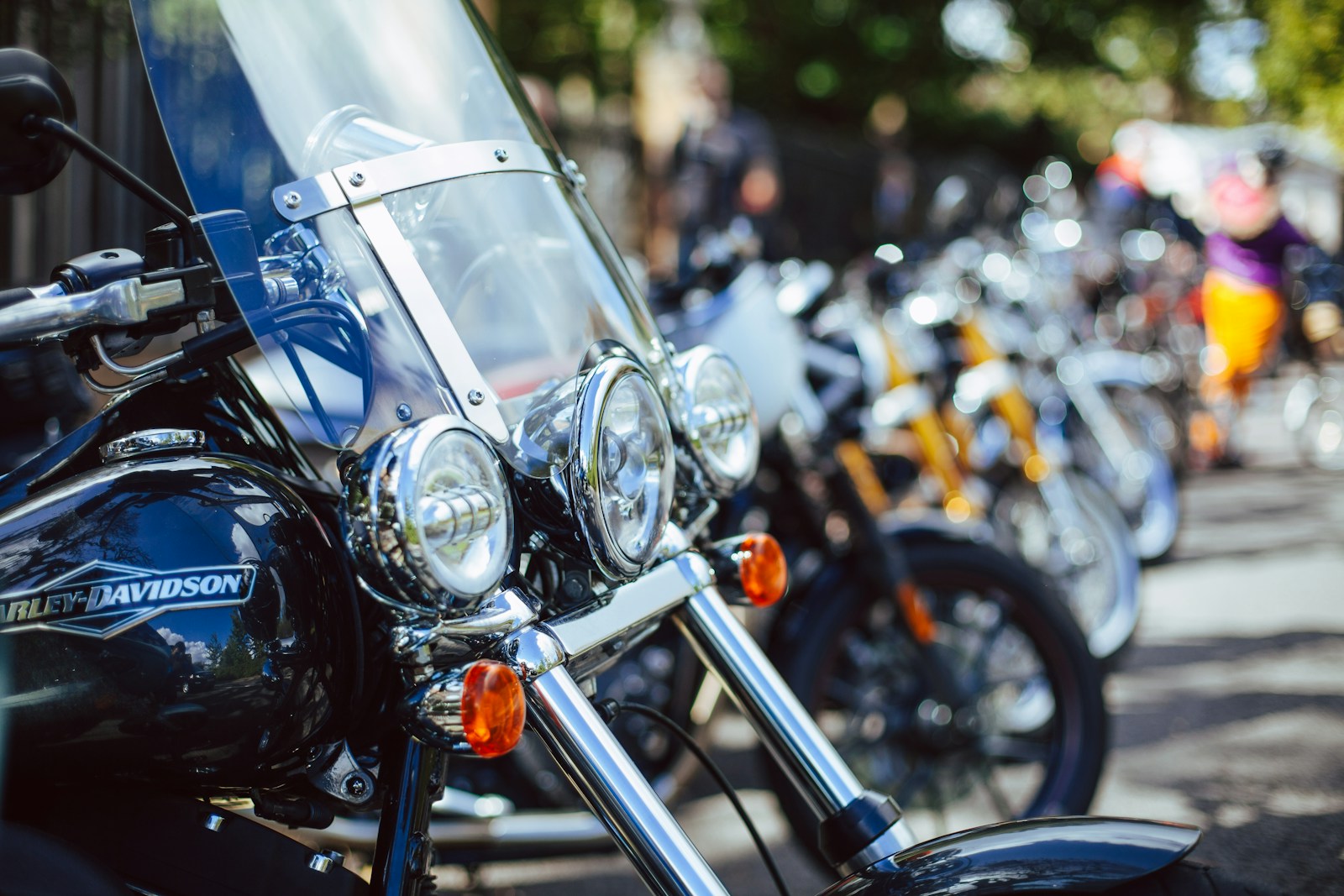
Why the M109R Costs You More Than Comfort on Twisties
We break down how the Suzuki Boulevard M109R behaves when you force it around tight corners, and why most reviews gloss over the real cost to your confidence. The guide shows where the bike wins, where it loses, and what you have to spend to make it tolerable.