/yr Insurance + 30% Depreciation on a 2024 Honda Shadow
We'll break down the real money you spend on a 2024 Honda Shadow, from insurance premiums to maintenance and depreciation. Most buyer guides hide the ongoing costs and focus only on purchase price, leaving riders surprised by the bill.
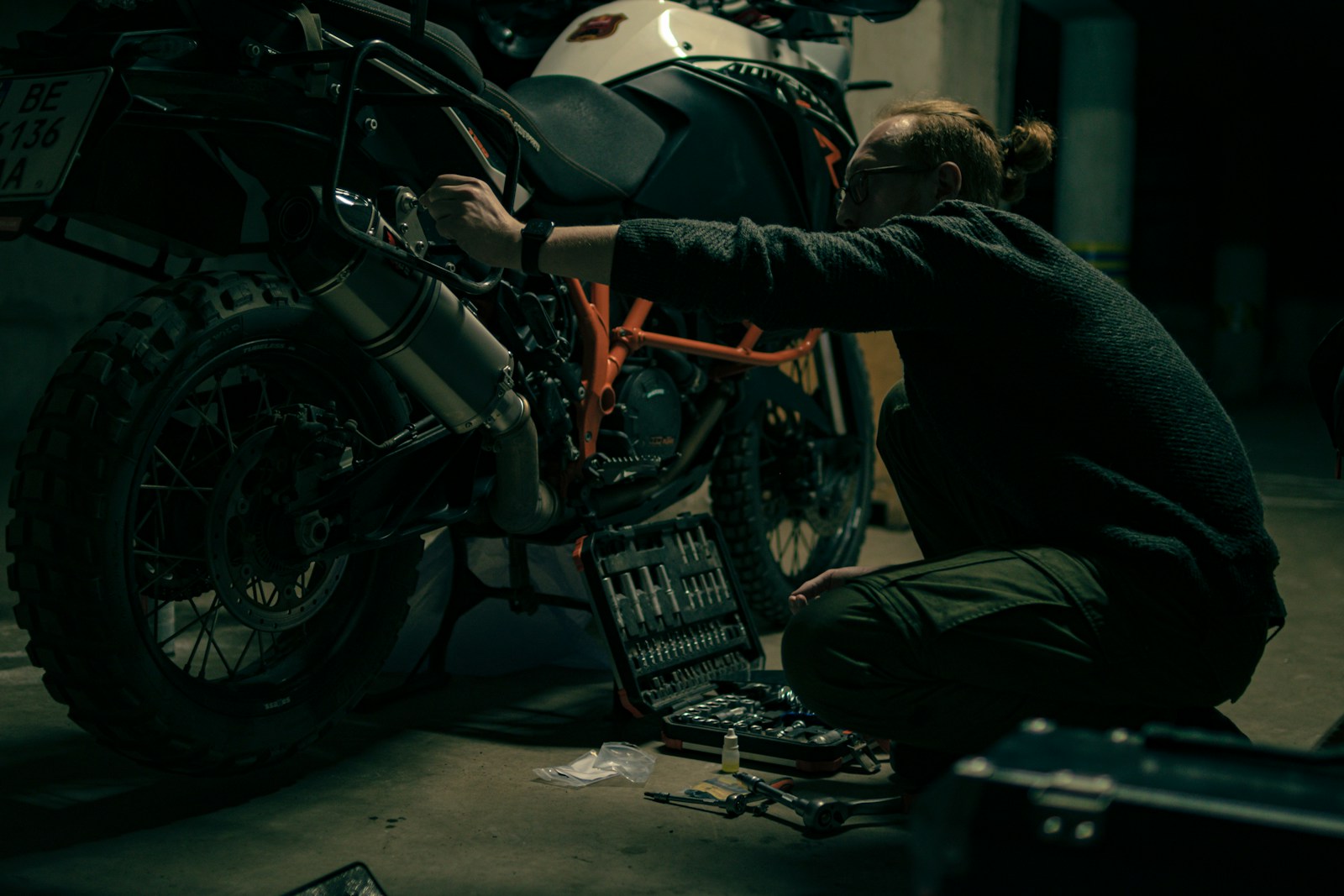
A brand‑new Shadow gleams under the showroom lights, but the price tag tells only half the story. The moment you roll it off the lot you’ll start paying for a policy, a service schedule, and a steep drop in resale value—costs that can turn a “reasonable” purchase into a monthly drain you never saw coming.
Can insurance alone push your monthly budget over $100?
Most riders assume a cruiser’s insurance sits in the low‑hundreds, yet the numbers shift dramatically with age, zip code, and riding history. A 25‑year‑old with a clean record living in a suburban Midwest market typically pays between $1,000 and $1,400 annually for full coverage on a 2024 Shadow, which translates to roughly $85‑$115 per month. Add a small‑deductible endorsement for roadside assistance and the figure nudges upward by another $10‑$20 each month.
If you’re a rider with a past claim or a high‑performance endorsement, expect the premium to climb into the $1,800‑$2,200 range annually. The insurer’s underwriting algorithm heavily weights the bike’s displacement and the rider’s annual mileage, so a weekend cruiser who logs under 3,000 miles a year may qualify for a modest discount. Conversely, a commuter who racked up 10,000 miles in the first year will see the rate swell, especially if the policy includes comprehensive coverage for theft—a real risk for a bike that looks like a moving billboard.
The hidden kicker is the surcharge for riders under 30. Even with a clean slate, insurers often tack on a 15‑20 % premium increase, turning an otherwise manageable bill into a surprise expense that can eat into your fuel budget. Shopping around every renewal cycle and presenting a documented low‑mileage log can shave a few hundred dollars off the annual cost, but you must act before the policy auto‑renews.
How fast does a Shadow lose value in the first three years?
Depreciation is the silent tax that hits every new bike the moment it leaves the showroom floor, and the Shadow is no exception. On average, a 2024 model drops about 20‑25 % of its MSRP within the first twelve months, driven by the influx of newer model years and the market’s appetite for lower‑priced used cruisers. By the end of year two, the cumulative loss typically sits in the 35‑40 % range, meaning a bike that cost $9,500 new may be worth roughly $5,500–$6,200 if you decide to sell.
The third year sees the depreciation curve flattening, with another 10‑12 % bite as the bike approaches the “sweet spot” for used‑cruiser shoppers. At that point, a well‑maintained Shadow can fetch between $5,000 and $5,800, depending on colour, mileage, and whether it still carries the original warranty. Riders who keep detailed service records and avoid aftermarket parts that look cheap often command the higher end of that resale window.
Geography also skews the numbers. In states with higher helmet and emissions regulations, buyers may shy away from older cruisers, nudging resale values down an extra 2‑3 %. Conversely, regions with a strong cruiser community—think the Southeast—tend to sustain values a touch better, sometimes clipping the depreciation at the lower end of the projected range. Knowing where you’ll eventually park the bike can inform whether you should hold onto it longer to amortize the loss.
What hidden maintenance costs bite after the warranty expires?
The Shadow’s service schedule is generous on paper: oil change every 6,000 miles, valve adjustment at 12,000, and a major service at 24,000. However, the real expense emerges when you transition from dealer‑performed work to independent shops. Labor rates for a standard oil and filter change hover between $70 and $120, depending on the shop’s location. Add the cost of synthetic oil—about $30‑$45 per quart—and you’re looking at $120‑$180 for a routine change.
Valve adjustments are where the bill spikes. A dealer will quote roughly $250‑$350 for the job, but a trusted local mechanic can often complete it for $180‑$250, provided they have the correct tools. The catch is the need for a camshaft inspection at the same interval; neglecting it can lead to uneven wear, which later forces a cam replacement that can exceed $1,000 in parts and labor.
Brake pads on a cruiser tend to last longer than on a sportbike, yet the Shadow’s larger front disc can develop warping after a few years of city riding. Re‑flushing the brake fluid is a $80‑$120 task, but if you ignore it, the pads may wear unevenly, forcing premature replacement—another $150‑$250 hit. Tire wear is also a factor; the factory‑specified 130/90‑19 rear tire often needs replacement after 15,000‑20,000 miles, costing $250‑$350 per tire with mounting.
Do aftermarket parts actually save you money in the long run?
Many riders are lured by the promise of “cheaper” aftermarket exhausts, handlebars, or suspension kits, assuming the savings will offset the bike’s depreciation. In practice, the upside is narrow. A popular slip‑on exhaust may shave $200 off the dealer price, but the loss of the original exhaust’s warranty can expose you to rust or mounting issues that require professional rectification—often billed at $150‑$250.
Aftermarket suspension components, such as progressive-rate springs, can improve ride comfort, yet the installation typically demands a specialist’s attention. Labor for a full rear suspension swap can climb to $300‑$400, and the parts themselves range from $350 to $600. When you factor in the potential resale penalty—collectors often discount a bike with non‑OEM components by 5‑10 %—the net gain evaporates.
Conversely, investing in a high‑quality coolant hose set or a premium chain tensioner can extend service intervals, saving a few hundred dollars over five years. The rule of thumb is to target upgrades that address a known weakness rather than purely aesthetic changes. If you decide to go aftermarket, keep the original parts, document the installation, and price the bike with a clear “OEM‑compatible” disclaimer to avoid alienating future buyers.
Practical steps to keep the total cost of ownership under control
- Shop insurance early – Obtain three quotes before you sign the dealer’s financing paperwork; many insurers offer a “new‑rider” discount that expires after six months, so lock in the lower rate now. Expect a premium between $1,000 and $1,400 if you live in a low‑risk area.
- Schedule maintenance at independent shops – Choose a shop that offers a flat‑rate oil‑change package; this can reduce labor by $30‑$50 per visit and keep you within the $120‑$180 range for each service.
- Track mileage meticulously – Use a smartphone app to log trips; staying under 5,000 miles per year can qualify you for a mileage discount on both insurance and resale valuation.
- Budget for major services – Set aside $300‑$400 annually for valve adjustments and brake fluid, spreading the cost over the year instead of a lump‑sum surprise.
- Consider a certified pre‑owned purchase – A lightly used Shadow with one‑owner history can be 15‑20 % cheaper than a brand‑new model, while still offering a warranty that covers the first 12 months of ownership.
- Avoid unnecessary aftermarket upgrades – Stick to functional upgrades that have proven durability; this prevents resale penalties and eliminates extra labor costs.
By treating each line item as a separate budget bucket, you can keep the aggregate annual expense between $2,500 and $3,200, a figure that most first‑time cruiser buyers underestimate.
What to double‑check before you sign any paperwork
Before you hand over a down payment, verify the exact insurance premium the dealer used to calculate the monthly finance amount; a misquoted rate can add several hundred dollars to your total cost. Confirm that the bike’s VIN matches the service record you received; discrepancies often indicate a missing maintenance entry that could affect resale value. Finally, ask for a written breakdown of any dealer‑installed accessories and their warranty coverage; undocumented add‑ons can become costly repair items once the dealer warranty expires.
---